
What is a Horizontal Light-duty Ball Mill? A Versatile Grinding Device for Laboratory Sample Preparation and Small-scale Production
What is a Horizontal Light-duty Ball Mill? A Versatile Grinding Device for Laboratory Sample Preparation and Small-scale Production
At its core, a horizontal light-duty ball mill is a specialized grinding device designed for efficient size reduction, mixing, and homogenization of solid materials. Laboratories, research institutes, and small-scale production facilities use it to transform coarse particles into fine powders, typically achieving particle sizes from millimeters down to several microns. This equipment operates on the principle of impact and attrition, where the rotation of a horizontal cylindrical chamber causes grinding media to cascade and collide with the material, gradually breaking it down.
Core Function and Working Principle
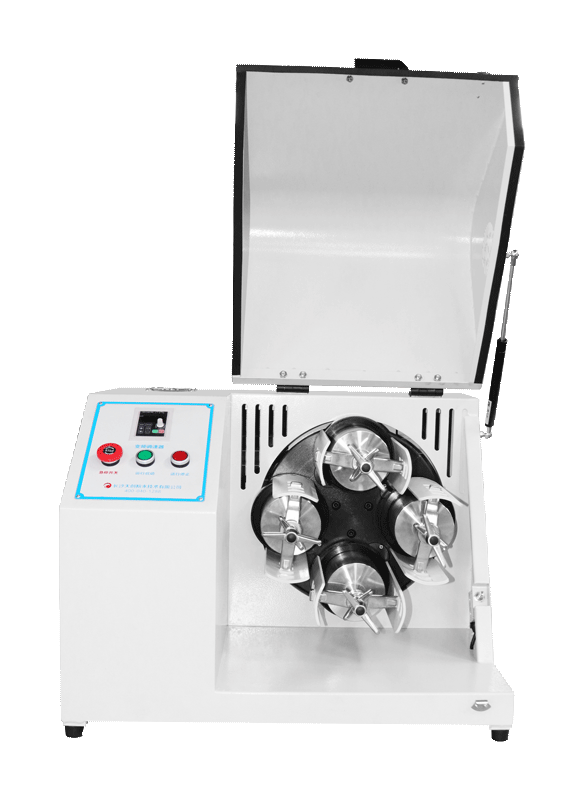
The primary function of a horizontal light-duty ball mill is to convert bulk materials, including minerals, chemicals, ceramics, and biological samples, into a homogeneous fine powder. The core working mechanism involves a horizontally mounted rotating drum (the mill jar) that is partially filled with grinding balls (usually made of steel, zirconia, or agate). As the drum rotates at a moderate speed, the balls are lifted by centrifugal force to a certain height and then fall back, creating powerful impact and frictional forces that crush and grind the material trapped between them.
Key operational parameters such as rotation speed, ball-to-material ratio, grinding time, and ball size directly influence the final particle size distribution and energy efficiency. For instance, operating at 65%–75% of the critical speed (the speed at which balls begin to centrifuge) ensures optimal cascading action. The typical feed size should be less than 1/4 inch (about 6 mm), and the product can reach 20 to 75 microns after a proper grinding cycle. Unlike heavy-duty industrial mills, the light-duty version is designed for lower throughput and intermittent use, making it ideal for batch processing in labs.
Core Components and Key Technologies
Mill Jar and Grinding Media
The mill jar (grinding chamber) is typically made of stainless steel, ceramic, or polyurethane to suit different material purity requirements. Grinding media come in various materials: stainless steel balls for general use, zirconia or agate balls for contamination-sensitive applications, and tungsten carbide for extremely hard samples. The choice of jar and media directly affects the final product's purity and grinding efficiency.
Drive System and Speed Control
A light-duty ball mill usually employs a belt-driven or gear-driven motor with a variable frequency drive (VFD) to adjust rotation speed. The VFD allows precise control of the speed, enabling the user to optimize the grinding action for different materials. Digital timers and programmable cycles are common features for consistent and repeatable results.
Safety and Sealing
Many models include a safety interlock that stops the mill when the lid is opened, preventing accidents. A sealed jar design prevents dust leakage and allows for wet or dry grinding under controlled atmospheres, such as inert gas protection for air-sensitive materials.
Key Performance Indicators and Selection Guide
When selecting a horizontal light-duty ball mill, consider the following critical metrics:
- Capacity and Jar Volume: Common lab-scale jars range from 0.5 L to 20 L. Choose a volume that matches your batch size; for example, a 2 L jar is suitable for processing 200–500 g of sample per batch.
- Grinding Fineness: The achievable fineness depends on the material and operating conditions. A typical light-duty mill can produce powders down to 5–20 microns, with potential sub-micron results when using high-energy modes or extended times.
- Speed Range: Most light-duty mills operate at 50–300 rpm. Lower speeds are used for gentle mixing, while higher speeds increase impact force. Ensure the speed range covers your material's critical speed.
- Automation and Programmability: Look for models with digital displays, programmable timers, and automatic stop functions. These features enhance reproducibility and ease of use in research settings.
- Maintenance and Durability: Light-duty mills should have easily replaceable wearing parts (e.g., jar seals, belts). A robust bearing system ensures long-term reliability under intermittent operation.
Applications and Selection Recommendations
The horizontal light-duty ball mill finds extensive use in:
- Materials Research: Grinding and homogenizing alloys, ceramics, polymers, and composite materials for R&D.
- Chemical and Pharmaceutical: Preparing fine powders for catalysts, pigments, and active pharmaceutical ingredients (APIs).
- Mining and Metallurgy: Laboratory beneficiation tests, sample preparation for XRF/XRD analysis.
- Food and Agriculture: Grinding grains, spices, and soil samples for quality control.
For users who require high throughput and low contamination, a heavy-duty horizontal ball mill may be more suitable. However, for most laboratory and pilot-scale applications, the light-duty model offers an excellent balance of cost, performance, and versatility. Always test with your target material to confirm the required fineness and avoid overloading.