Multi Channel Tissue Grinder: High-Throughput Sample Homogenization for Biological Research

What Is a Multi Channel Tissue Grinder?

In modern biological and pharmaceutical laboratories, preparing high-quality samples for nucleic acid and protein analysis often requires efficient, reproducible, and contamination-free homogenization. A multi channel tissue grinder — also referred to as a high-throughput tissue homogenizer or multi-sample tissue mill — is designed to address this need. It allows researchers to process multiple biological samples simultaneously in sealed tubes, using rapid vertical oscillation or bead-beating technology to break down tissues, cells, and microorganisms within seconds.

Unlike traditional mortar-and-pestle grinding or single-tube homogenizers, a multi channel system can handle dozens of samples in one batch, dramatically increasing throughput and reducing variability between samples. This makes it an indispensable tool for genomics, proteomics, drug discovery, and clinical diagnostics.

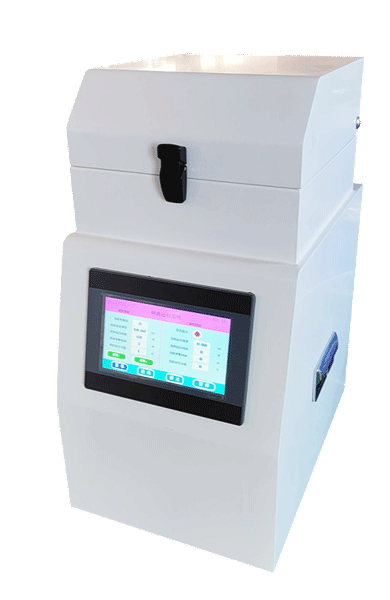
Multi channel tissue grinder laboratory equipment

How Does a Multi Channel Tissue Grinder Work?

The core working principle of a multi channel tissue grinder is based on high-frequency, three-dimensional vibration or vertical oscillation. Samples are placed in sealed microcentrifuge tubes or deep-well plates along with grinding beads made of materials such as zirconium oxide, stainless steel, or glass. The grinder rapidly agitates the tubes, causing the beads to collide with the sample material. This results in:

  • Mechanical disruption of cell walls and membranes
  • Homogenization of tough tissues such as muscle, skin, bone, and seeds
  • Release of intracellular DNA, RNA, and proteins

Most laboratory tissue grinders allow you to set the oscillation frequency (e.g., from 0 to 70 Hz) and the processing time (e.g., from 0 to 9999 seconds). The entire process is completed in one to three minutes, depending on the sample hardness and tube capacity. Since the tubes remain sealed during grinding, cross-contamination and aerosol exposure are effectively eliminated.

Key Components of a Multi Channel Tissue Grinder

  • Drive system: A high-torque motor with an eccentric mechanism that generates vertical or three-dimensional motion.
  • Clamping system: An adjustable holder that securely locks tube racks or deep-well plates in place.
  • Programmable controller: Allows users to store and recall optimized protocols for different sample types.
  • Safety interlock: Prevents operation when the lid is open, ensuring operator safety.

Key Applications in Biological and Material Research

A multi channel tissue grinder is not only used for biological tissues but also for a wide range of samples that require efficient cell disruption. Common applications include:

  • Plant tissue homogenization: Roots, leaves, stems, seeds, and fruits for DNA/RNA extraction and metabolomics.
  • Animal tissue homogenization: Brain, heart, liver, muscle, bone, and skin for protein analysis and pathogen detection.
  • Microbial cell lysis: Bacteria, yeast, fungi, and spores for nucleic acid purification and proteomics.
  • Food and feed testing: Homogenization of meat, grains, and dairy products for quality control and contaminant analysis.
  • Environmental sample processing: Soil, sediment, and wastewater for microbial community analysis.
  • Hard material grinding: Some models can also process minerals, ceramics, and polymers down to sub-micron particle sizes when used with appropriate beads and adapters.
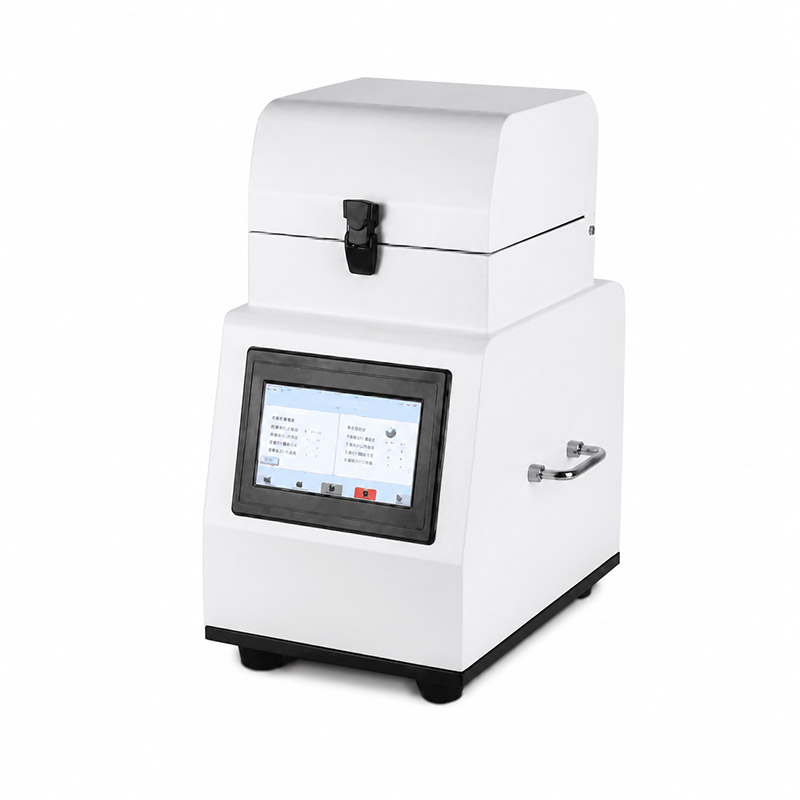
Multi channel tissue grinder application in laboratory

Important Factors for Selecting a Multi Channel Tissue Grinder

When choosing a multi channel tissue grinder for your laboratory, several technical and practical factors should be considered to ensure the equipment meets your research requirements:

Sample Throughput and Capacity

Evaluate the number of samples you typically process per batch. Common configurations include 2×24, 2×48, or 4×96 sample tubes (e.g., 2 mL microcentrifuge tubes or deep-well plates). Some models also accept larger tubes (15 mL, 25 mL, or 50 mL) for bulk samples. For example, a multi channel tissue grinder from TENCAN can accommodate up to 192 samples in a single run, significantly boosting laboratory efficiency.

Grinding Bead Material and Diameter

The choice of beads affects grinding efficiency and potential contamination. Common materials include:

  • Zirconium oxide (ZrO₂): High density, excellent wear resistance, low contamination — ideal for most biological samples.
  • Stainless steel: Suitable for tough tissues like bone and seeds, but may introduce metal ions.
  • Glass beads: Economical for soft tissues and microbial cells.

Bead diameter typically ranges from 0.1 mm to 30 mm. Smaller beads (0.1–1 mm) are better for bacterial and yeast lysis, while larger beads (3–5 mm) are more effective for plant and animal tissues.

Temperature Control

Many biological samples are heat-sensitive. For applications such as RNA extraction, it is critical to keep samples cold during homogenization. Look for a grinder that supports cryogenic grinding: you can pre-cool the tube adapters in liquid nitrogen for 1–2 minutes, then quickly mount them on the machine. The rapid oscillation prevents heat build-up, preserving RNA integrity.

Vibration Frequency and Speed

Higher frequency (e.g., 50–70 Hz) provides more intense impact, which is needed for hard tissues. However, for delicate samples like cultured cells, lower frequencies may be sufficient. Programmable settings allow you to optimize the protocol for each material type.

Ease of Use and Safety

Look for a system with a digital display, intuitive controls, and a secure clamping mechanism that prevents tube movement during operation. Safety interlocks and noise levels below 70 dB are also important for a comfortable working environment.

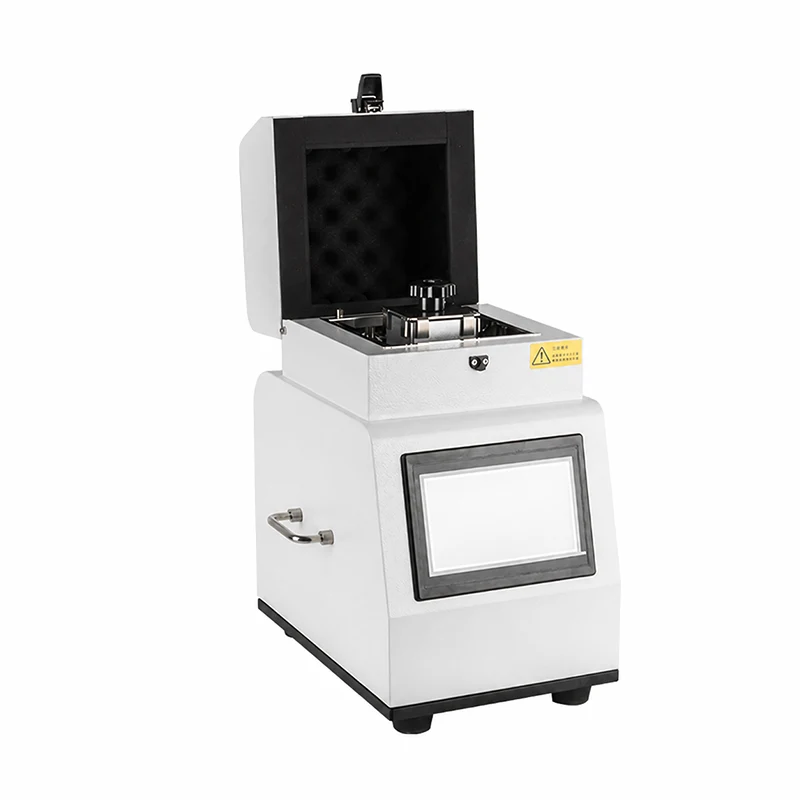
Multi channel tissue grinder close-up

Why Choose a Multi Channel Tissue Grinder for Your Lab?

Switching from manual homogenization or single-tube processors to a multi channel tissue grinder offers several advantages:

  • Speed: Process dozens of samples in 1–2 minutes instead of hours.
  • Reproducibility: Automated, consistent agitation reduces operator-to-operator variation.
  • Contamination control: Sealed tubes prevent cross-contamination and aerosol spread.
  • Versatility: Works with various sample types, from soft tissues to hard seeds and even mineral powders.
  • Cost-effectiveness: Reduces labor time and consumable waste compared to alternative methods.

When selecting a multi channel tissue grinder, it is helpful to prepare the following information for your equipment supplier: typical sample type, required throughput per batch, tube size preference, and any special requirements such as cryogenic operation or low-contamination bead materials. This allows the supplier to recommend the most suitable configuration for your specific research needs.

For laboratories that prioritize high throughput, consistent results, and minimal sample handling, a multi channel tissue grinder is a reliable and efficient investment. The TENCAN multi channel tissue grinder, for example, combines robust construction with flexible programming, making it suitable for a wide range of biological and materials science applications. Visit the product page for more details on specifications and available accessories.