
What is a Stainless Steel Vibration Crusher? A Hygienic Crushing Equipment for Fine Grinding of Dry Materials in Food and Pharmaceutical Industries
What is a Stainless Steel Vibration Crusher?
At its core, a stainless steel vibration crusher is a specialized crushing machine designed for fine grinding of dry materials. Industries such as food processing, pharmaceuticals, and chemicals use it to reduce the particle size of raw materials like herbs, spices, chemicals, and grains into fine powders, typically ranging from 10 to 200 mesh. The equipment is built entirely from 304 stainless steel, ensuring a smooth interior surface that meets GMP (Good Manufacturing Practice) hygiene standards, making it ideal for applications where cleanliness and contamination control are critical.
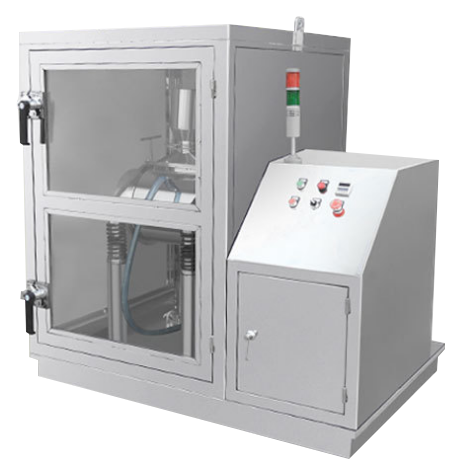
Core Function and Working Principle
The stainless steel vibration crusher transforms coarse materials into fine powders through a combination of impact, shear, and vibration. Its core working mechanism involves a high-speed rotating blade assembly mounted on a vertical shaft, driven by a motor. The material is fed into a crushing chamber, where the rotating blades create a vortex, causing particles to collide with each other and with the chamber walls. The vibration effect, generated by the motor's dynamic imbalance or a dedicated vibration mechanism, enhances the movement of particles, ensuring uniform grinding and preventing clogging.
Key operational parameters include spindle speed (typically 3000-5000 rpm), screen mesh size (which determines final powder fineness), and feed rate. The fineness of the output powder can be adjusted by changing the sieve, with common mesh sizes ranging from 20 to 200 mesh. The machine is equipped with a dust collection system, often a cyclone separator and a cloth bag filter, to minimize dust emissions and maintain a clean working environment.
Main Types and Key Components
Stainless steel vibration crushers can be categorized by scale of operation and design features:
Industrial Type
These are heavy-duty units with larger capacities (e.g., 200 kg/h or more), powerful motors (5.5 kW or higher), and robust construction. They are suitable for continuous production in factories. Models like the MF-250 can handle up to 200 kg/h with a 5.5 kW motor, making them ideal for large-scale processing.
Laboratory / Pharmacy Type
Smaller, benchtop units designed for R&D or small-batch production. They often have lower capacity (e.g., 10-50 kg/h) and are built with precision to meet strict pharmaceutical standards. Some models feature a built-in timer and variable speed control.
Home Use Type
Compact and lightweight, these are intended for occasional use in kitchens or small workshops. They typically have a capacity under 10 kg/h and are designed for easy cleaning.
Key components of a stainless steel vibration crusher include:
- Crushing Chamber: Made of 304 stainless steel with a smooth interior to prevent material buildup.
- Blade Assembly: High-speed rotating blades (often made of stainless steel 420) that impact and shear the material.
- Motor: Provides the rotational force; typically built-in for lower center of gravity and reduced noise.
- Sieve / Screen: Determines the final particle size; interchangeable for different fineness requirements.
- Dust Collection System: Cyclone separator and cloth bag filter to capture fine particles.
Key Performance Indicators and Selection Criteria
When selecting a stainless steel vibration crusher, consider the following factors:
- Processing Capacity: Measured in kg/h. Choose a model that matches your expected throughput. Industrial models range from 100-500 kg/h, while lab units are typically 10-50 kg/h.
- Fineness Range: The achievable mesh size (e.g., 10-200 mesh). Ensure the machine can produce the desired particle size distribution.
- Material Compatibility: The crusher is designed for dry materials only. Avoid materials with high moisture content (>10%) or those that are flammable/explosive.
- Hygiene & Compliance: For food and pharmaceutical applications, verify that the machine is made of 304 stainless steel with a smooth interior surface and complies with GMP standards.
- Noise Level: Built-in motor designs tend to be quieter. Some models include noise-reduction cover plates.
- Ease of Cleaning: Look for features like quick-release clamps and smooth surfaces that facilitate cleaning between batches.
- Dust Control: Effective dust collection is critical for operator safety and product quality. Choose a model with a cyclone separator or bag filter.
Application Areas and Selection Advice
Stainless steel vibration crushers are widely used in:
- Food Industry: Grinding sugar, salt, spices, grains, and dried herbs into powders.
- Pharmaceutical Industry: Pulverizing medicinal herbs, tablets, and chemical substances while maintaining sterility.
- Chemical Industry: Processing powders for pigments, catalysts, and other fine chemicals.
- Laboratories: Sample preparation for analysis or small-scale production.
For a small-scale lab or pharmacy, a compact model with a capacity of 10-50 kg/h and a fineness range of 20-200 mesh is sufficient. For industrial production, choose a high-capacity model (e.g., 200 kg/h or more) with a powerful motor and robust dust collection. Always verify the material of construction (304 stainless steel) and ensure the machine is easy to clean and maintain. For more detailed specifications, visit the Stainless steel vibration crusher product page.